Homeopathy vs Allopathy: Which Treatment Approach Works Best for You?
4 min read
By DocGenie , Published on - 06 December 2025Introduction
Choosing the right treatment method plays a crucial role in your health journey. Homeopathy and allopathy are two widely practiced medical systems with different philosophies and treatment techniques. Homeopathy emphasizes holistic healing with natural, highly diluted remedies aimed at stimulating the body's self-healing, while allopathy relies on scientifically tested pharmaceutical drugs and surgical interventions to quickly and directly tackle diseases. Understanding their core differences and applications can empower you to make informed healthcare decisions.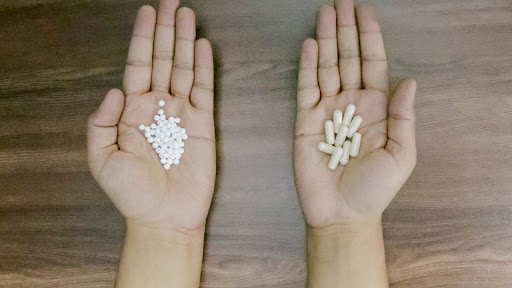
What is Allopathy?
Allopathy, also known as modern or conventional medicine, treats diseases by combating symptoms and underlying causes, primarily through drugs, surgery, and other advanced technological methods. The term "allopathy" comes from Greek, meaning "opposite suffering," reflecting its focus on counteracting symptoms.
Allopathy operates on principles developed over centuries, including the theory of the four humors, which historically explained illness as a disturbance in bodily fluids and their balance. Modern allopathy, however, is based on rigorous scientific research and clinical trials to develop treatments that target symptoms and disease processes.
It uses pharmaceutical medicines such as antibiotics, painkillers, chemo drugs, and surgical techniques. Allopathic treatments are generally fast-acting and essential for acute conditions, infections, injuries, and emergency medical care. However, they may come with side effects due to the potent nature of drugs and invasive procedures.
Licensed medical professionals with comprehensive training practice allopathy globally, making it the backbone of healthcare systems worldwide.

What is Homeopathy?
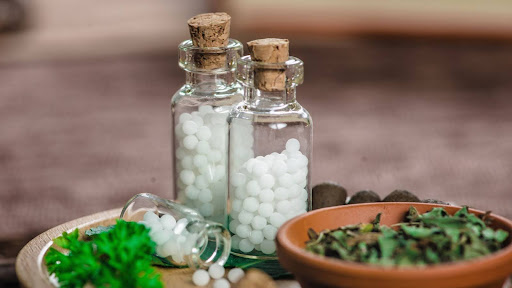
Homeopathy is an alternative medical system founded in the late 1700s, based on the principle of "like cures like." It uses highly diluted natural substances derived from plants, minerals, and animal products to trigger the body's natural healing mechanisms.Unlike allopathy, homeopathy seeks not just to alleviate symptoms but to strengthen the immune system and address emotional, psychological, and physical health collectively. Treatments are individualized based on a patient's unique symptom profile and constitution.
Because homeopathic remedies are diluted to the point of minimal toxicity, side effects are rare. Homeopathy is often chosen for chronic illnesses, allergies, and emotional well-being. It does not aim to kill germs directly but to build resistance and restore balance, focusing on long-term wellness.
Practitioners in homeopathy undergo specialized training, practicing with a holistic approach to patient care.
Differences Between Homeopathy and Allopathy
| Feature | Homeopathy | Allopathy |
|---|---|---|
| Treatment Approach | Uses highly diluted natural substances to stimulate self-healing | Uses drugs, surgery, and technology to treat symptoms and diseases |
| Target of Treatment | Treats the whole body and mind holistically | Targets specific organs or symptoms directly |
| Speed of Relief | Gradual, often over weeks or months | Rapid symptom relief, especially in acute conditions |
| Safety Profile | Minimal side effects due to dilution | Potential side effects ranging from mild to severe |
| Ideal Use | Chronic, mild, and emotional health issues | Acute, severe, infectious, emergency conditions |
| Practitioner Training | Specialized homeopathy qualifications | Licensed medical degrees in conventional medicine |
Are Homeopathic Treatments Safe? Do They Have Side Effects?
Homeopathic remedies are generally safe due to extreme dilution, with very low chances of side effects. Occasionally, patients may experience a mild worsening of symptoms initially—a process known as a "healing reaction"—which is temporary and indicates activation of the immune system.
Conversely, allopathic medicines can cause side effects depending on drug type, dose, duration, and individual health. For example, antibiotics may cause digestive issues, and some medicines might have organ-specific toxicity. Nevertheless, allopathic treatments undergo stringent evaluation for efficacy and safety before approval.
Both approaches, when used appropriately under medical supervision, can offer effective care with manageable risk.
Can Homeopathy and Allopathy Be Combined?
Integrative treatment combining homeopathy and allopathy is increasingly embraced, aiming to harness benefits from both. For instance, homeopathy can support emotional balance and enhance immunity in chronic diseases, while allopathy manages acute exacerbations or infections.
Successful integration requires open communication between healthcare providers and patients to avoid interactions or contraindications. Patients should always disclose all treatments they are undergoing for safe and effective care coordination.
Choosing the Treatment Approach That Suits You
Deciding between homeopathy and allopathy involves evaluating:- The nature and severity of your condition (acute or chronic).
- Urgency for symptom relief.
- Personal beliefs and wellness priorities.
- Professional advice and medical history.
Acute injuries, infections, and emergencies necessitate allopathic care. Chronic or recurring mild disorders might respond better to homeopathic or integrative approaches focusing on long-term wellness.
Platforms like DocGenie offer access to qualified professionals in both systems, helping you find a personalized care plan.
Take control of your health with expert consultations on DocGenie. Whether you seek homeopathic care, allopathic treatments, or combined approaches, DocGenie connects you with specialists tailored to your needs. Book your consultation today and start a journey toward holistic health.